
SOC 2 compliance has become one of the most important trust signals for modern startups.
If you run a SaaS company, fintech startup, AI tool, healthcare software platform, B2B app, cloud product, data platform, or API business, sooner or later customers may ask a simple question:
“Are you SOC 2 compliant?”
For early-stage startups, this question can decide whether a big enterprise deal moves forward or gets delayed. A startup may have a great product, strong team, and growing user base, but without a SOC 2 report, enterprise buyers may hesitate to share sensitive data, sign contracts, or complete vendor security review.
That is why SOC 2 compliance software has become a high-value category for startups.
Instead of managing compliance manually through spreadsheets, screenshots, policy documents, calendar reminders, and shared drives, SOC 2 compliance platforms help startups automate evidence collection, monitor security controls, manage policies, track employee training, connect cloud systems, prepare for audits, and maintain continuous compliance.
AICPA lists SOC 2 under its System and Organization Controls services and provides Trust Services Criteria covering Security, Availability, Processing Integrity, Confidentiality, and Privacy. AICPA also provides SOC 2 Description Criteria used when preparing and evaluating a service organization’s system description for a SOC 2 examination.
For startups, the goal is not just to “pass an audit.” The real goal is to build trust with customers, shorten sales cycles, reduce manual security questionnaires, and create a repeatable security compliance program.
This guide compares the best SOC 2 compliance software for startups, explains how these platforms work, what features matter, how pricing usually works, and how to choose the right tool before your first audit.
Important Disclaimer
This article is for general informational and educational purposes only. It is not legal, audit, accounting, cybersecurity, compliance, or professional advisory advice.
SOC 2 audits must be performed by qualified independent CPA firms. Compliance requirements vary by company, system scope, customer needs, geography, cloud setup, data type, and auditor expectations. Always consult a qualified SOC 2 auditor, security consultant, legal professional, or compliance advisor before making compliance decisions.
What Is SOC 2 Compliance?
SOC 2 stands for System and Organization Controls 2.
It is a reporting framework used to evaluate how a service organization manages customer data based on trust-related criteria. SOC 2 is especially common among technology companies that store, process, transmit, or manage customer information.
SOC 2 is not a certificate in the same way as some standards. It is an independent auditor’s report on controls at a service organization.
SOC 2 is commonly requested by:
- SaaS companies
- Cloud software providers
- Fintech startups
- Healthcare technology companies
- AI platforms
- Data analytics platforms
- API companies
- Cybersecurity vendors
- HR software companies
- Payment technology companies
- B2B software startups
- Managed service providers
The five Trust Services Criteria commonly associated with SOC 2 are:
- Security
- Availability
- Processing Integrity
- Confidentiality
- Privacy
AICPA’s SOC resources reference the 2017 Trust Services Criteria with revised points of focus and the 2018 SOC 2 Description Criteria with revised implementation guidance.
For most startups, Security is the core category. Other categories may be added depending on customer requirements.
SOC 2 Type 1 vs SOC 2 Type 2
Startups often get confused between SOC 2 Type 1 and SOC 2 Type 2.
SOC 2 Type 1
A SOC 2 Type 1 report evaluates whether controls are designed properly at a specific point in time.
It answers:
“Do the right controls exist today?”
This is usually faster and may be useful for early-stage startups that need to show initial audit readiness.
SOC 2 Type 2
A SOC 2 Type 2 report evaluates whether controls are designed properly and operating effectively over a period of time, often 3, 6, or 12 months.
It answers:
“Did the controls work consistently over time?”
Enterprise customers usually prefer SOC 2 Type 2 because it gives more evidence that controls are actually operating.
Which One Should a Startup Choose?
Many startups begin with Type 1 and then move to Type 2. But some startups go directly to Type 2 if customers require it.
A good SOC 2 compliance software platform can help with both, but the timeline and evidence requirements are different.
What Is SOC 2 Compliance Software?
SOC 2 compliance software helps companies manage the work required to prepare for and maintain SOC 2 compliance.
A SOC 2 platform may help with:
- Control mapping
- Policy templates
- Employee security training
- Vendor risk management
- Automated evidence collection
- Cloud infrastructure monitoring
- Device security checks
- Identity access reviews
- Background check tracking
- Access control evidence
- Risk assessment
- Security questionnaire responses
- Auditor collaboration
- Evidence repository
- Continuous monitoring
- Framework mapping
- Integrations with cloud and SaaS tools
- Remediation task tracking
- Audit readiness dashboard
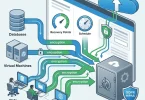
SOC2Auditors.io explains that SOC 2 compliance platforms automate manual work by connecting to cloud infrastructure, identity providers, HR tools, and development systems, then collecting evidence, monitoring controls, managing policies, and organizing documentation for auditors.
For a startup, this can save a lot of time.
Without software, founders and engineering teams may spend weeks gathering screenshots, writing policies, chasing employees for training, tracking access reviews, and organizing evidence manually.
Why Startups Need SOC 2 Compliance Software
Startups do not have unlimited time. The engineering team needs to build product. The sales team needs to close deals. The founder needs to raise money, hire people, and manage customers.
Manual SOC 2 preparation can slow everything down.
SOC 2 software helps startups because it can:
- Reduce manual evidence work
- Show clear compliance progress
- Help assign tasks to owners
- Provide policy templates
- Monitor cloud tools automatically
- Connect with HR, identity, cloud, and device systems
- Help prepare for audit faster
- Reduce back-and-forth with auditors
- Maintain compliance after the audit
- Help answer customer security questions
- Support future frameworks like ISO 27001, HIPAA, GDPR, PCI, or NIST
For B2B startups, SOC 2 can also support sales. Many enterprise buyers ask for SOC 2 before signing contracts, especially if your product handles customer data, financial data, employee data, healthcare data, or business-critical workflows.
Best SOC 2 Compliance Software for Startups
Below are some of the best SOC 2 compliance software platforms to compare in 2026.
1. Vanta
Best for: Most startups getting SOC 2 for the first time
Good for: SaaS startups, AI startups, B2B companies, fast-growing teams
Main strength: Mature compliance automation and broad startup adoption
Vanta is one of the best-known compliance automation platforms for SOC 2. It helps companies automate security monitoring, evidence collection, policy management, employee onboarding checks, vendor reviews, and audit preparation.
Vanta’s 2026 SOC 2 software guide lists Drata, Secureframe, Sprinto, and Hyperproof among notable SOC 2 platforms, and describes Drata as having 250+ integrations, automated daily tests, 20+ security frameworks, cross-mapped evidence, and built-in auditor access.
Although that source is from Vanta and naturally compares competitors, it is useful for understanding what modern compliance automation platforms are expected to provide.
Key Features
- SOC 2 automation
- Automated evidence collection
- Policy templates
- Employee onboarding controls
- Access review support
- Cloud monitoring
- Device security monitoring
- Vendor risk management
- Risk management workflows
- Auditor collaboration
- Trust center features
- Framework mapping
- Integrations with cloud and SaaS tools
- Continuous compliance monitoring
Why Vanta Is Good for Startups
Vanta is strong for startups because it is built around speed and repeatability. Early-stage companies often need to move quickly when customers ask for SOC 2. Vanta can help organize the compliance roadmap and reduce manual work.
It is also a strong option for startups that plan to expand beyond SOC 2 into ISO 27001, HIPAA, GDPR, or other frameworks later.
Best Fit
Vanta is best for startups that want a mature, well-known SOC 2 compliance automation platform with strong market recognition.
Possible Downsides
Vanta may be more expensive than some newer or smaller alternatives. Startups should compare pricing, auditor fees, integration depth, support quality, and whether all needed frameworks are included.
2. Drata
Best for: Startups needing strong automation and multi-framework compliance
Good for: SaaS companies, cloud startups, security-conscious teams
Main strength: Automated monitoring, integrations, and long-term trust management
Drata is another leading SOC 2 compliance platform. It focuses on continuous control monitoring, evidence automation, and trust management.
Drata positions itself as a Trust Management Platform that connects compliance, security assurance, and risk. Its comparison page says Sprinto and Secureframe focus primarily on compliance automation, while Drata extends beyond audit preparation into compliance, security assurance, and risk management.
Key Features
- SOC 2 automation
- Continuous control monitoring
- Automated evidence collection
- Risk management
- Policy management
- Vendor management
- Security questionnaire support
- Auditor collaboration
- Framework mapping
- Integrations with cloud and SaaS tools
- Multi-framework compliance
- Trust center capabilities
Why Drata Is Good for Startups
Drata is useful for startups that want a compliance platform that can grow with them. If your startup expects to handle multiple frameworks, more customers, stronger security reviews, and larger enterprise deals, Drata can be a serious option.
It is especially useful for startups where compliance is not a one-time audit project but a long-term security program.
Best Fit
Drata is best for startups that want strong automation, continuous monitoring, and multi-framework compliance maturity.
Possible Downsides
Like Vanta, Drata may be more than a tiny startup needs. Pricing can vary by company size, frameworks, integrations, and support needs. Teams should confirm all costs before signing.
3. Secureframe
Best for: Guided SOC 2 onboarding and startup compliance workflows
Good for: Early-stage SaaS startups, lean teams, first-time compliance buyers
Main strength: Guided compliance automation and onboarding support
Secureframe is a compliance automation platform built to help companies prepare for SOC 2 and other security frameworks. It is often compared with Vanta, Drata, and Sprinto.
Sprinto’s 2026 comparison describes Secureframe as a compliance automation solution that streamlines compliance processes, automates tests, manages failing controls, and collects evidence.
Key Features
- SOC 2 automation
- Policy templates
- Evidence collection
- Employee training workflows
- Security controls monitoring
- Vendor risk management
- Audit readiness dashboard
- Auditor collaboration
- Framework support
- Remediation task tracking
Why Secureframe Is Good for Startups
Secureframe can be a strong choice for startups that want more guided onboarding. First-time SOC 2 preparation can be confusing, and a platform with structured tasks and support can help reduce uncertainty.
It can also help non-security founders understand what needs to be done before the audit.
Best Fit
Secureframe is best for startups doing SOC 2 for the first time and wanting a guided compliance workflow.
Possible Downsides
Startups should compare pricing, support, integrations, and how flexible the platform is for their specific cloud stack.
4. Sprinto
Best for: Startup-friendly compliance automation and early-stage teams
Good for: SaaS startups, B2B companies, lean compliance teams
Main strength: Startup-focused automation and fast audit readiness
Sprinto is a compliance automation platform often positioned for fast-growing SaaS companies. It supports SOC 2 and other frameworks.
A 2026 SOC 2 software roundup from SOC2Auditors.org says Sprinto has strong startup pricing and is a natural starting point for startups under 100 employees getting their first SOC 2.
Key Features
- SOC 2 compliance automation
- Continuous monitoring
- Evidence collection
- Cloud integrations
- Employee onboarding checks
- Policy management
- Risk management
- Vendor review workflows
- Auditor collaboration
- Framework support
Why Sprinto Is Good for Startups
Sprinto can be attractive for early-stage startups that need SOC 2 without heavy enterprise complexity. It can help teams automate controls, monitor compliance, and prepare evidence without building an internal compliance department.
Best Fit
Sprinto is best for startups under 100 employees that want a startup-friendly SOC 2 platform.
Possible Downsides
Startups should confirm the platform’s integration depth, support availability, auditor network, and pricing for future frameworks.
5. Hyperproof
Best for: Growing companies needing compliance operations beyond SOC 2
Good for: Mid-market companies, security teams, risk teams
Main strength: Compliance operations and evidence management
Hyperproof is a compliance operations platform that can support SOC 2 and other frameworks. It is useful for companies that want a broader compliance management system rather than only first-audit automation.
Key Features
- Compliance operations
- Evidence management
- Risk management
- Control mapping
- Framework management
- Task tracking
- Audit workflow support
- Cross-framework evidence reuse
- Dashboards and reporting
Why Hyperproof Is Good
Hyperproof is useful for companies with more mature compliance needs. If a startup is moving toward mid-market or enterprise scale and needs to manage many frameworks and controls, a compliance operations platform can help.
Best Fit
Hyperproof is best for growing startups and mid-market companies that need compliance program management beyond SOC 2.
Possible Downsides
It may be less ideal for very early-stage startups that only need a fast first SOC 2 report.
6. AuditBoard
Best for: Larger startups and companies with risk, audit, and compliance teams
Good for: Mid-market, enterprise, internal audit, risk teams
Main strength: Audit, risk, and compliance management
AuditBoard is a broader audit, risk, and compliance platform. It is not only a SOC 2 startup tool, but it can be useful for companies that need enterprise-level governance and control management.
Planet Compliance’s 2026 SOC 2 software overview says AuditBoard brings together risks, controls, frameworks, and more to streamline SOC 2 compliance.
Key Features
- Risk management
- Control management
- Audit workflows
- Compliance framework tracking
- Evidence management
- Reporting
- Issue management
- Internal audit support
- Enterprise governance workflows
Why AuditBoard Is Good
AuditBoard can be useful for larger companies where SOC 2 is part of a broader governance, risk, and compliance program.
If your startup is already moving into enterprise scale, has security leadership, or needs internal audit workflows, AuditBoard may be a better fit than lightweight startup compliance tools.
Best Fit
AuditBoard is best for larger startups, scaleups, and companies with formal risk and audit teams.
Possible Downsides
AuditBoard may be too heavy for an early-stage startup trying to complete its first SOC 2 quickly.
7. TrustCloud
Best for: Trust assurance, security questionnaires, and customer trust workflows
Good for: B2B startups, SaaS companies, customer-facing trust programs
Main strength: Connecting compliance with customer trust and security reviews
TrustCloud is a trust assurance and compliance platform that helps companies manage frameworks, evidence, security questionnaires, and customer trust workflows.
Key Features
- Compliance automation
- Trust operations
- Security questionnaire automation
- Evidence management
- Framework mapping
- Control monitoring
- Vendor and risk workflows
- Customer trust support
- Audit readiness
Why TrustCloud Is Good
TrustCloud can be useful for startups that do not only want to complete SOC 2, but also want to reduce customer security questionnaire friction.
For B2B sales, security questionnaires can become a major bottleneck. A trust-focused platform can help organize answers and evidence.
Best Fit
TrustCloud is best for B2B SaaS startups that want to connect SOC 2 compliance with customer trust workflows.
Possible Downsides
Startups should compare its SOC 2 audit workflow depth against Vanta, Drata, Secureframe, and Sprinto.
8. Thoropass
Best for: Compliance software plus expert guidance
Good for: Startups wanting platform and advisory support
Main strength: Combining software with human compliance support
Thoropass, previously known as Laika, offers compliance automation and expert support. It can be useful for startups that want a combination of software, guidance, and audit preparation.
Key Features
- SOC 2 readiness
- Compliance automation
- Expert guidance
- Policy templates
- Evidence collection
- Risk assessment
- Audit support
- Framework management
- Security questionnaire support
Why Thoropass Is Good
Some startups do not want software alone. They want humans who can explain what to do, help interpret requirements, and guide the team through audit preparation.
Thoropass can be useful for founders who are not compliance experts.
Best Fit
Thoropass is best for startups that want compliance automation plus advisory-style support.
Possible Downsides
If your team already has security and compliance expertise, you may prefer a more automation-heavy platform.
9. Strike Graph
Best for: Transparent pricing and smaller compliance teams
Good for: Startups wanting clearer cost structure
Main strength: Compliance automation with cost transparency
Strike Graph is another SOC 2 compliance platform. It is often considered by startups looking for a more transparent or flexible approach to audit readiness.
SOC2Auditors.org’s 2026 roundup says Strike Graph is one of the natural starting points for startups under 100 employees getting their first SOC 2 and notes it as one of the more transparent options on cost.
Key Features
- SOC 2 readiness
- Compliance workflows
- Risk assessment
- Control mapping
- Evidence management
- Policy support
- Audit preparation
- Framework support
Why Strike Graph Is Good
Strike Graph may be attractive for startups that are cost-sensitive and want clarity around compliance software pricing.
Budget matters a lot for early-stage companies. SOC 2 software, auditor fees, security tools, and internal time all add up.
Best Fit
Strike Graph is best for smaller startups that want SOC 2 support with more pricing transparency.
Possible Downsides
Startups should compare automation depth, integrations, auditor workflow, and support quality against larger platforms.
10. ComplyJet
Best for: Cost-conscious startups wanting SOC 2 help
Good for: Early-stage startups, small SaaS teams, first SOC 2 audit
Main strength: Public pricing and startup-focused compliance support
ComplyJet is a newer SOC 2 compliance tool positioned toward startups. A 2026 ComplyJet guide says ComplyJet provides public pricing from $5K per year, while positioning itself for startups doing compliance for the first time.
Key Features
- SOC 2 readiness
- Compliance automation
- Policy support
- Evidence workflows
- Startup-focused pricing
- Audit preparation
- Control management
- Basic compliance workflows
Why ComplyJet Is Good
ComplyJet may be useful for early-stage startups where cost is the biggest concern. Public pricing can make planning easier compared with platforms that require sales calls for every quote.
Best Fit
ComplyJet is best for cost-sensitive startups that need a simple SOC 2 readiness path.
Possible Downsides
Startups should verify feature depth, integrations, auditor workflow, customer support, and long-term framework needs before choosing a lower-cost platform.
Quick Comparison Table
| Software | Best For | Main Strength | Best Startup Type |
|---|---|---|---|
| Vanta | First SOC 2 audit | Mature automation and brand recognition | Fast-growing SaaS |
| Drata | Multi-framework growth | Continuous monitoring and trust management | Scaling startups |
| Secureframe | Guided onboarding | Structured SOC 2 workflow | First-time compliance teams |
| Sprinto | Startup pricing | Early-stage automation | Startups under 100 employees |
| Hyperproof | Compliance operations | Evidence and program management | Growing companies |
| AuditBoard | Risk and audit teams | Enterprise GRC workflows | Larger startups |
| TrustCloud | Customer trust | Security questionnaires and trust workflows | B2B SaaS |
| Thoropass | Software + experts | Guided compliance support | Non-expert founders |
| Strike Graph | Cost transparency | Flexible SOC 2 approach | Smaller startups |
| ComplyJet | Low-cost SOC 2 | Public startup pricing | Cost-sensitive teams |
Best SOC 2 Software by Startup Stage
Pre-Seed or Seed Startup
Best options:
- Sprinto
- Strike Graph
- ComplyJet
- Secureframe
At this stage, cost and speed matter. You need enough structure to pass customer reviews without buying a heavyweight enterprise GRC system.
Series A Startup
Best options:
- Vanta
- Drata
- Secureframe
- Sprinto
Series A startups often need SOC 2 to support larger deals. They also need a platform that can scale with headcount, customers, and future frameworks.
Series B and Later
Best options:
- Drata
- Vanta
- Hyperproof
- AuditBoard
- TrustCloud
At this stage, compliance is no longer a one-time audit. It becomes part of security operations, risk management, sales enablement, and customer trust.
AI Startups
Best options:
- Vanta
- Drata
- Secureframe
- TrustCloud
AI startups often handle sensitive customer data, model outputs, logs, prompts, integrations, and API usage. SOC 2 can help reduce buyer concerns around data handling and security.
Fintech Startups
Best options:
- Drata
- Vanta
- AuditBoard
- Hyperproof
Fintech buyers care deeply about controls, data protection, access management, change management, and vendor risk.
Healthcare SaaS Startups
Best options:
- Drata
- Vanta
- Secureframe
- Hyperproof
Healthcare SaaS startups may need SOC 2 plus HIPAA-related workflows depending on their product and customer base.
Key Features to Look for in SOC 2 Compliance Software
1. Automated Evidence Collection
This is one of the most important features.
The platform should connect with your systems and collect evidence automatically from tools like:
- AWS
- Google Cloud
- Microsoft Azure
- GitHub
- GitLab
- Jira
- Slack
- Google Workspace
- Microsoft 365
- Okta
- JumpCloud
- Kandji
- Jamf
- Rippling
- BambooHR
- Workday
- Datadog
- Sentry
- Cloudflare
Automated evidence saves time and reduces audit stress.
2. Continuous Control Monitoring
Good software should not only prepare for audit once. It should continuously check controls.
Examples:
- MFA enabled
- Admin access reviewed
- Cloud storage encrypted
- Logging enabled
- Devices encrypted
- Employees completed training
- Background checks completed
- Access removed after termination
- Vulnerability scans completed
- Security policies accepted
3. Policy Templates
Startups need policies such as:
- Information Security Policy
- Access Control Policy
- Password Policy
- Incident Response Policy
- Vendor Management Policy
- Risk Assessment Policy
- Business Continuity Policy
- Data Classification Policy
- Change Management Policy
- Acceptable Use Policy
- Asset Management Policy
Templates help, but policies must be customized to your actual company.
4. Employee Onboarding and Offboarding Controls
SOC 2 often requires strong access management.
The platform should help track:
- Employee start date
- Security training
- Policy acceptance
- Background checks, where required
- Access approvals
- Device enrollment
- MFA setup
- Offboarding tasks
- Access removal
5. Vendor Risk Management
Startups use many vendors. A SOC 2 platform should help track vendor reviews, risk ratings, contracts, and security documentation.
Common vendors include:
- Cloud providers
- Payment processors
- Email providers
- Analytics tools
- Customer support tools
- HR tools
- AI API providers
- Data processors
6. Auditor Collaboration
The platform should make it easy for auditors to review evidence.
Good auditor workflow can reduce friction and speed up the audit.
7. Framework Mapping
If one control satisfies multiple frameworks, the platform should reuse evidence.
For example, one access control may support:
- SOC 2
- ISO 27001
- HIPAA
- GDPR
- PCI
- NIST
- CIS
Cross-mapping reduces duplicate work.
8. Risk Register
A risk register helps track security risks, owners, likelihood, impact, and remediation.
This is important for real security maturity, not just audit passing.
9. Trust Center
Some platforms offer a public or gated trust center where companies can share security documents with customers.
This can help reduce repetitive security questionnaires.
10. Security Questionnaire Support
For B2B startups, this can save sales time.
A good platform may help answer customer questions using stored policies, evidence, and approved responses.
SOC 2 Software Pricing: What Startups Should Expect
SOC 2 compliance software pricing varies by:
- Company size
- Number of employees
- Number of frameworks
- Number of integrations
- Support level
- Auditor package
- Trust center features
- Vendor risk features
- Security questionnaire automation
- Multi-entity needs
- Annual contract terms
Public pricing is not always available. Many vendors use sales-based quotes.
However, 2026 comparison sources often place SOC 2 automation platforms in a broad range from a few thousand dollars per year for smaller startup tools to $10K–$20K+ per year for more established platforms. For example, one startup-focused comparison listed Vanta around $15K/year, Drata around $12K/year, and Secureframe around $10K/year, while another guide noted ComplyJet public pricing from $5K/year. These numbers are market estimates and should be verified directly with vendors.
Other Costs Beyond Software
Startups should budget for:
- Auditor fees
- Penetration testing
- Security tools
- Device management software
- HR background checks
- Legal review
- Internal engineering time
- Security consultant fees
- Remediation work
- Cloud logging or monitoring tools
SOC 2 software reduces work, but it does not remove every cost.
SOC 2 Compliance Software vs Manual SOC 2
Some startups ask whether they need software at all.
Manual SOC 2
Manual preparation may use:
- Spreadsheets
- Shared drives
- Screenshots
- Calendar reminders
- Manual access reviews
- Policy documents
- Email evidence
- Auditor folders
Manual SOC 2 may work for very small teams, but it becomes painful quickly.
SOC 2 Software
Compliance software provides:
- Automated evidence
- Control dashboard
- Policy templates
- Integrations
- Remediation tasks
- Auditor access
- Continuous monitoring
- Framework mapping
For most B2B SaaS startups, SOC 2 software saves enough time to justify the cost, especially when sales deals depend on audit readiness.
How to Choose the Best SOC 2 Compliance Software
Use this checklist before buying:
1. Define Your Audit Goal
Do you need Type 1, Type 2, or both?
2. Confirm Your Scope
Which product, systems, teams, and data flows are included?
3. Check Integrations
Does the platform integrate with your actual tools?
4. Compare Auditor Options
Does the vendor have auditor partners? Can you use your own auditor?
5. Ask About Pricing
Get a full quote including frameworks, add-ons, trust center, vendor risk, and support.
6. Check Support Quality
Good support matters during audit preparation.
7. Review Policy Templates
Templates should be customizable and realistic.
8. Evaluate Long-Term Framework Needs
Will you need ISO 27001, HIPAA, GDPR, PCI, NIST, or CIS later?
9. Ask About Evidence Reuse
Cross-framework evidence mapping saves time.
10. Avoid Buying More Than You Need
Early startups should not overbuy enterprise GRC if they only need first SOC 2.
SOC 2 Readiness Checklist for Startups
Before starting your audit, make sure you have:
- Defined audit scope
- Asset inventory
- Access control process
- MFA enabled
- Password policy
- Device management
- Employee onboarding process
- Employee offboarding process
- Background check process, where applicable
- Security training
- Policy acceptance tracking
- Vendor management process
- Risk assessment
- Incident response plan
- Change management process
- Logging and monitoring
- Backup process
- Business continuity plan
- Vulnerability management
- Cloud security controls
- Evidence repository
- Auditor selected
- Compliance owner assigned
SOC 2 software can help organize these tasks, but leadership still needs to own the program.
Common SOC 2 Mistakes Startups Make
Mistake 1: Starting Only After a Customer Demands It
SOC 2 takes time. Start before the enterprise deal is blocked.
Mistake 2: Thinking Software Alone Makes You Compliant
Software helps, but your company must actually implement controls.
Mistake 3: Choosing Based Only on Price
Cheap software may cost more later if integrations, support, or auditor workflow are weak.
Mistake 4: Ignoring Audit Scope
A poor scope can create unnecessary work or fail to satisfy customers.
Mistake 5: Copying Policies Without Following Them
Auditors may ask for evidence that policies are actually operating.
Mistake 6: Not Assigning Owners
Every control should have an owner.
Mistake 7: Forgetting Offboarding
Access removal after employee departure is a common issue.
Mistake 8: Waiting Until Audit Week to Fix Controls
Continuous monitoring is better than last-minute cleanup.
Mistake 9: Not Budgeting for Auditor Fees
Software cost and audit cost are separate.
Mistake 10: Not Maintaining Compliance After the Report
Customers may ask for updated reports every year.
Best SOC 2 Software Recommendations by Use Case
Best Overall for Most Startups
Vanta
Strong market recognition, mature automation, broad adoption, and useful startup workflows.
Best for Multi-Framework Growth
Drata
Strong for companies planning beyond SOC 2 into ISO, HIPAA, GDPR, risk, and trust management.
Best for Guided First Audit
Secureframe
Useful for startups that want structured onboarding and clear compliance guidance.
Best for Early-Stage Startup Pricing
Sprinto, Strike Graph, ComplyJet
Good options for smaller teams that need a practical first SOC 2 path.
Best for Customer Trust and Security Questionnaires
TrustCloud
Useful when the sales team faces many security reviews.
Best for Larger Compliance Programs
Hyperproof and AuditBoard
Better for scaleups and mid-market companies with more mature risk and audit operations.
Final Verdict: What Is the Best SOC 2 Compliance Software for Startups?
The best SOC 2 compliance software depends on your startup’s stage, budget, team size, customer pressure, and future compliance roadmap.
For most startups:
- Best overall: Vanta
- Best multi-framework platform: Drata
- Best guided onboarding: Secureframe
- Best startup-friendly option: Sprinto
- Best compliance operations platform: Hyperproof
- Best enterprise GRC option: AuditBoard
- Best customer trust workflow: TrustCloud
- Best software plus expert support: Thoropass
- Best cost transparency: Strike Graph
- Best low-cost startup option: ComplyJet
If your first enterprise customer is asking for SOC 2, choose a platform that helps you move quickly, connects with your actual tech stack, provides clear auditor workflow, and gives your team a realistic compliance roadmap.
The smartest choice is not always the most expensive platform. The smartest choice is the platform that gets your startup audit-ready without wasting engineering time, confusing your team, or creating compliance debt later.
FAQs About SOC 2 Compliance Software
What is SOC 2 compliance software?
SOC 2 compliance software helps companies automate evidence collection, monitor security controls, manage policies, track employee tasks, organize audit documentation, and prepare for SOC 2 audits.
What is the best SOC 2 compliance software for startups?
For most startups, Vanta, Drata, Secureframe, and Sprinto are strong options. Smaller cost-sensitive startups may also compare Strike Graph and ComplyJet.
Is SOC 2 required by law?
SOC 2 is usually not legally required, but many enterprise customers require it before buying SaaS, cloud, fintech, AI, or data products.
What is the difference between SOC 2 Type 1 and Type 2?
SOC 2 Type 1 evaluates controls at a point in time. SOC 2 Type 2 evaluates whether controls operate effectively over a period of time.
How long does SOC 2 take for a startup?
A SOC 2 Type 1 may be completed faster, while SOC 2 Type 2 usually requires an observation period such as 3, 6, or 12 months. Timeline depends on audit scope, readiness, controls, and auditor availability.
How much does SOC 2 software cost?
Costs vary widely. Some startup-focused tools publish pricing around a few thousand dollars per year, while established platforms may quote $10K–$20K+ annually depending on company size, frameworks, and features. Always verify pricing directly with vendors.
Does SOC 2 software replace an auditor?
No. SOC 2 software helps with readiness and evidence, but an independent qualified CPA firm must perform the SOC 2 audit.
Can a startup do SOC 2 manually?
Yes, but manual SOC 2 can be time-consuming. Software usually helps reduce manual evidence collection and makes ongoing compliance easier.
What integrations should SOC 2 software have?
Common integrations include AWS, Google Cloud, Azure, GitHub, Google Workspace, Okta, Slack, Jira, device management tools, HR systems, and vulnerability scanners.